https://www.redbull.com/us-en/theredbulletin/isabeau-levito-figure-skater-interview-2025
If Levito wanted to be a world-class skater, she would have to train more. When she was around 9 years old, she transitioned to full-time online school, freeing up more hours for skating. But she missed being in school. She missed socializing with her friends.
“Around 13 or 14, I remember thinking, ‘I hate this so much,’ ” she says, hastening to clarify, “not the skating, but I felt so lonely, so isolated.” There weren’t really any other kids to hang out with at the rink, and she didn’t have many friends. At the same time, her training intensified dramatically. She was competing internationally as a junior, traveling around the world, and it amplified the sense of loneliness.
It’s a trade-off and sacrifice that athletes—especially young athletes in technical sports like figure skating—have to make if they want to compete at the highest level. Even then, Levito knew that she could always stop. That if she just said the word—if she told her mother that she wanted to go back to school—her mother would let her quit, no questions asked. “But I always knew that if I stopped what I was doing, I would be wasting something that could be so much for me,” she says. She would be wasting her talent, her promise.
But you also have to wonder, when you’re a prodigious talent, when you show potential at such a young age, how much of the dream to compete at the highest level is due to what others have told you—or expect of you—and how much of it is your own dream? And how can you tell the difference? This is a riddle that Levito is just now starting to untangle.
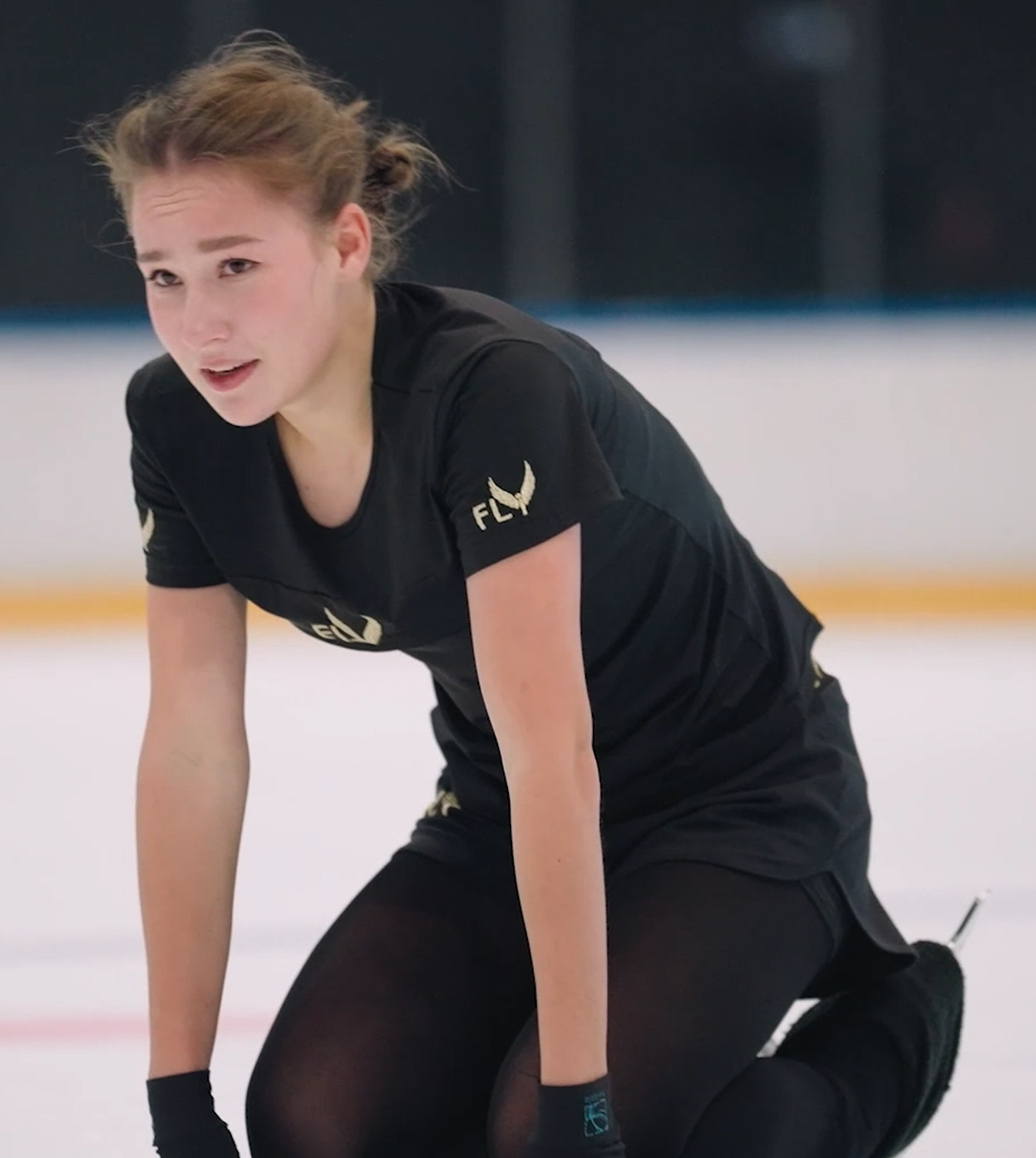
There was one thing that threatened to keep Levito from her destiny to compete on the world’s biggest stage—injury. In October 2024, Levito fell while landing a jump during the free skate at Skate America, an event that’s part of the International Skating Union (ISU) Grand Prix series, and dropped from first to third place overall as a result. She was annoyed by her mistake because she thought she could win—and defend her title.
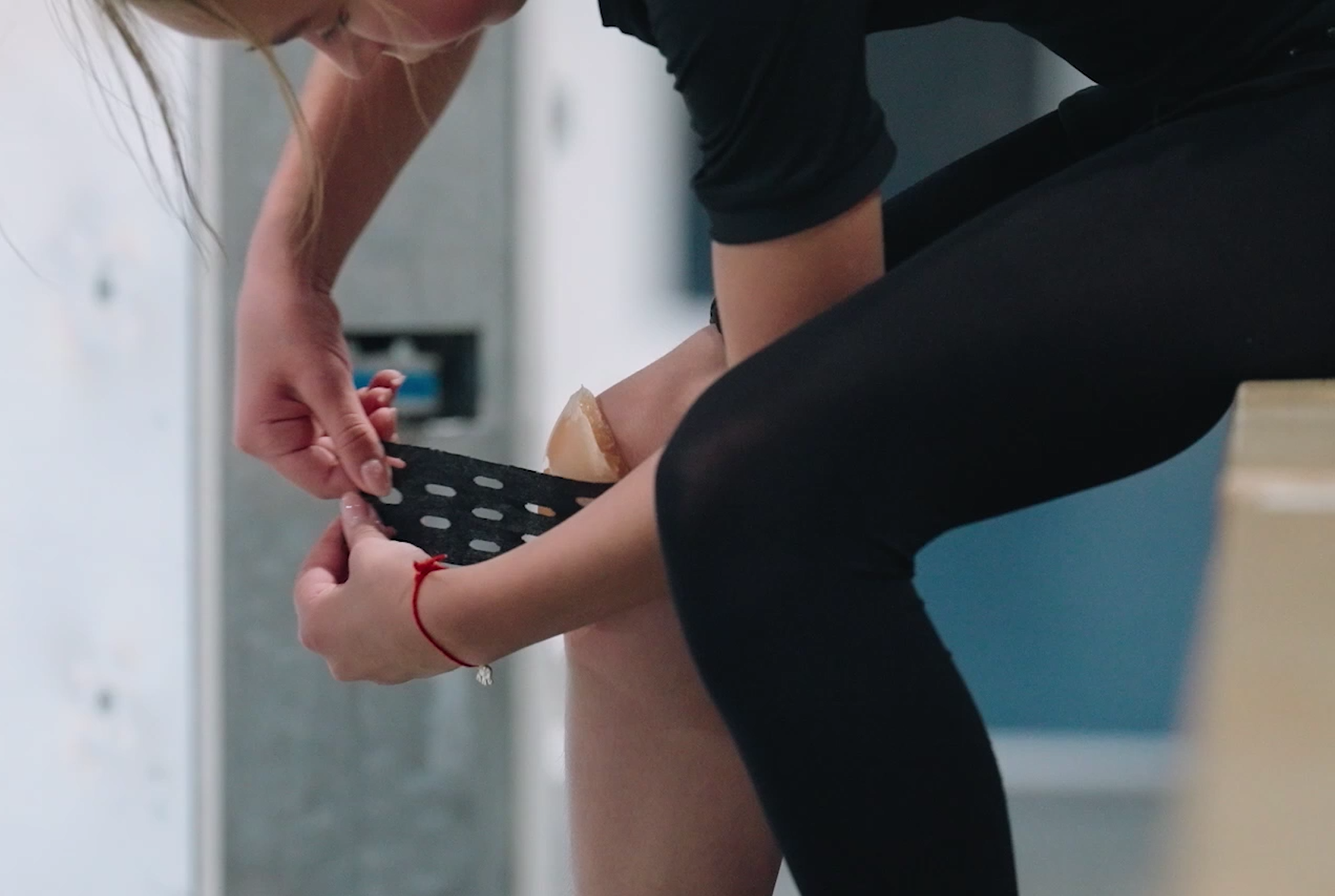
But her foot hurt during the event. Levito said she thought it was an irritated muscle, but it turned out to be a stress reaction in a bone in her right foot. While it wasn’t a fracture, it did make doing even the most basic things—like walking—painful. Skating and jumping, where she often takes off and lands, on her injured foot? Out of the question.
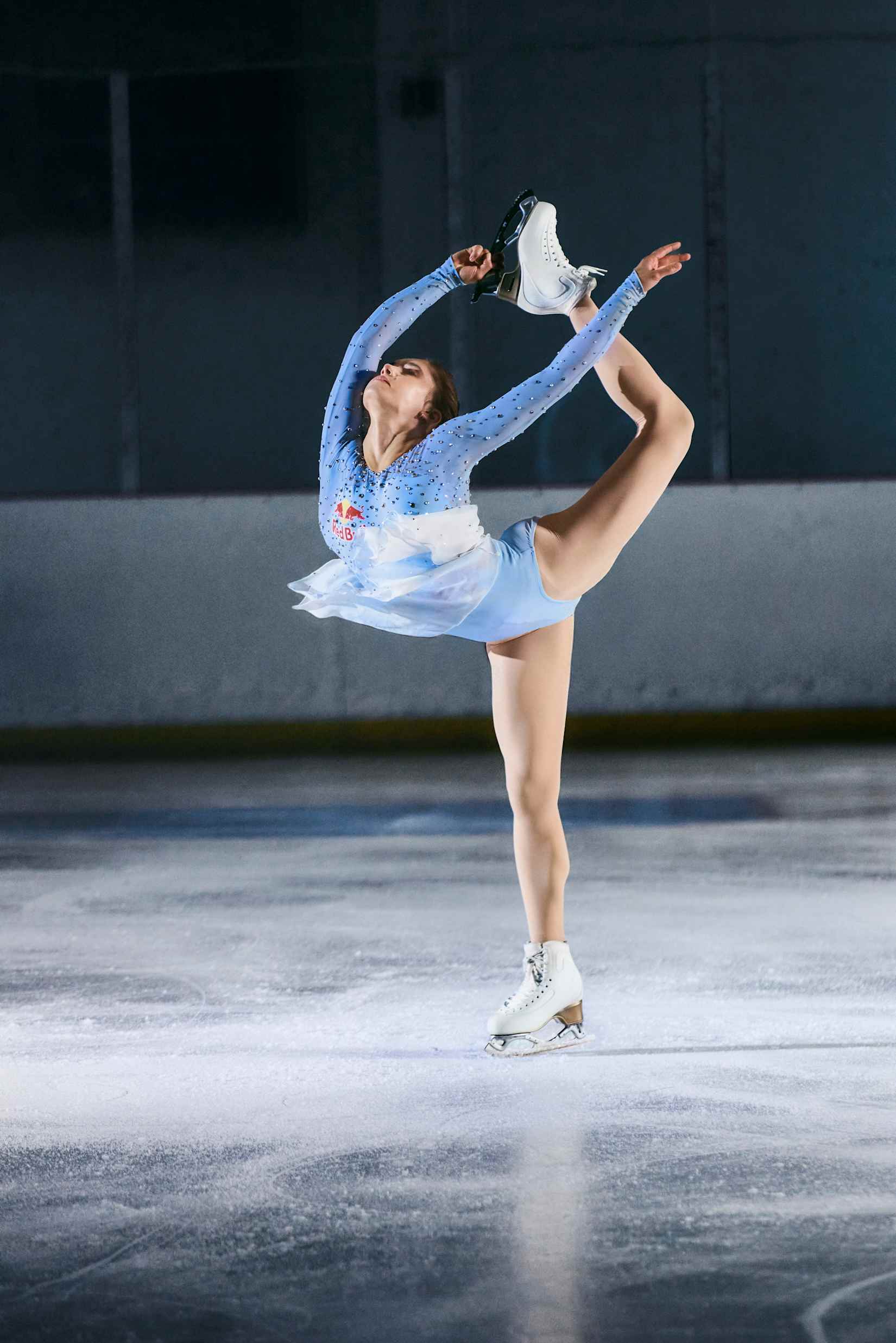
The timing couldn’t have been worse. Levito had entered the 2024-25 season with high hopes after earning a silver medal at the 2024 World Figure Skating Championships in Montreal—the highest result for an American female figure skater since Ashley Wagner in 2016 and what Levito refers to as “the highlight of my life”—and the injury occured during the crucial period in the run-up to Milan.
Levito was anxious to get back on the ice, to salvage her season. After all, not only did she want to represent the United States in February 2026, but her whole life revolved around training and the competitive season. When she wasn’t competing, she was touring with figure skating shows like Stars on Ice. Sitting still wasn’t exactly something she was used to. She was restless and bored at home with nothing to do except homework for her senior year of high school.
Every three weeks or so, Levito would test her foot. It would feel OK while she practiced skating skills but then as soon as she’d try a single lutz—one of the six main jumps in figure skating, where skaters use the toe pick at the front of their skate to assist in launching them into the air—it immediately hurt. She tried cross-training to maintain her fitness, but even riding the stationary bike kept her foot from healing properly.
It was a frustrating cycle of fits and starts. She had to withdraw from her second Grand Prix assignment in November and eventually from the 2025 U.S. Figure Skating Championships in January, too. In the end, she was off the ice for three months.
“When I was saying earlier that I had never lived a day in a life where I wasn’t a figure skater, I thought about when I was injured but then I thought no, because even during those three months, I just kept thinking, when am I going to skate again?” she admits. “Every 30 minutes or so I would wiggle my toes to see if it still hurt. It was the only thing I thought about.”
It was the first forced break from routine in 15 years, and Levito says she didn’t feel like herself. If she could at least still train, even if she couldn’t compete, that would be one thing. But all she could do was watch while everyone around her continued to compete, step up on the podium, win medals. She would instead drive to Barnes & Noble and pretend to be a regular college student studying for class. It was hard to stand by and feel like the world was moving on without you.